
TOS
Operating software for logistics terminals
When a terminal runs on disconnected tools, it does not lose software. It loses sequence, evidence, and the ability to execute under pressure.
Most terminals shopping for a TOS face the same trap: adopt a rigid platform that forces the whole operation to switch at once, or keep coordinating with tools that do not talk to each other. Essentos is the modular alternative to a legacy TOS. The Essentos terminal operating system orchestrates gate access, yard, moves, dispatch, and team coordination from one unified logic, adoptable by module, with no forced full migration.
The result is not just another system. It is a terminal where every step has a visible prerequisite, every milestone produces evidence at the moment of the event, and every shift starts on confirmed data instead of a verbal version of the last shift.
Operational change in terminals that adopt the Essentos execution layer
A shared real-time view of gate access, yard, preparation, and dispatch, with no reconstruction at the end of the shift
Fewer retries and fewer tasks run without context, because every step has its prerequisite in sight before it advances
The operation holds rhythm during volume peaks because the rules and the sequence absorb the variability that improvisation cannot
Note: conservative figures observed in terminals with comparable operations.
From fragmentation to execution driven by rules and evidence

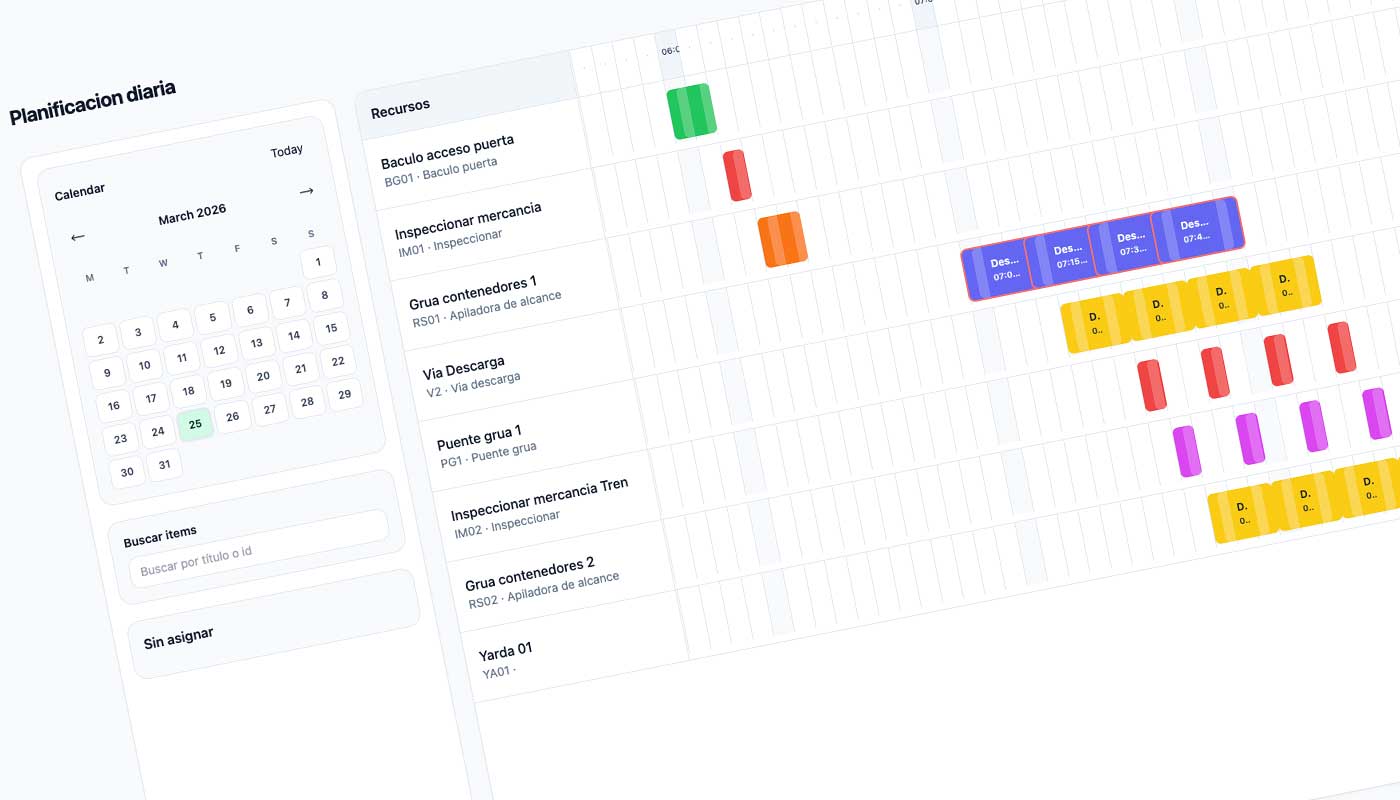
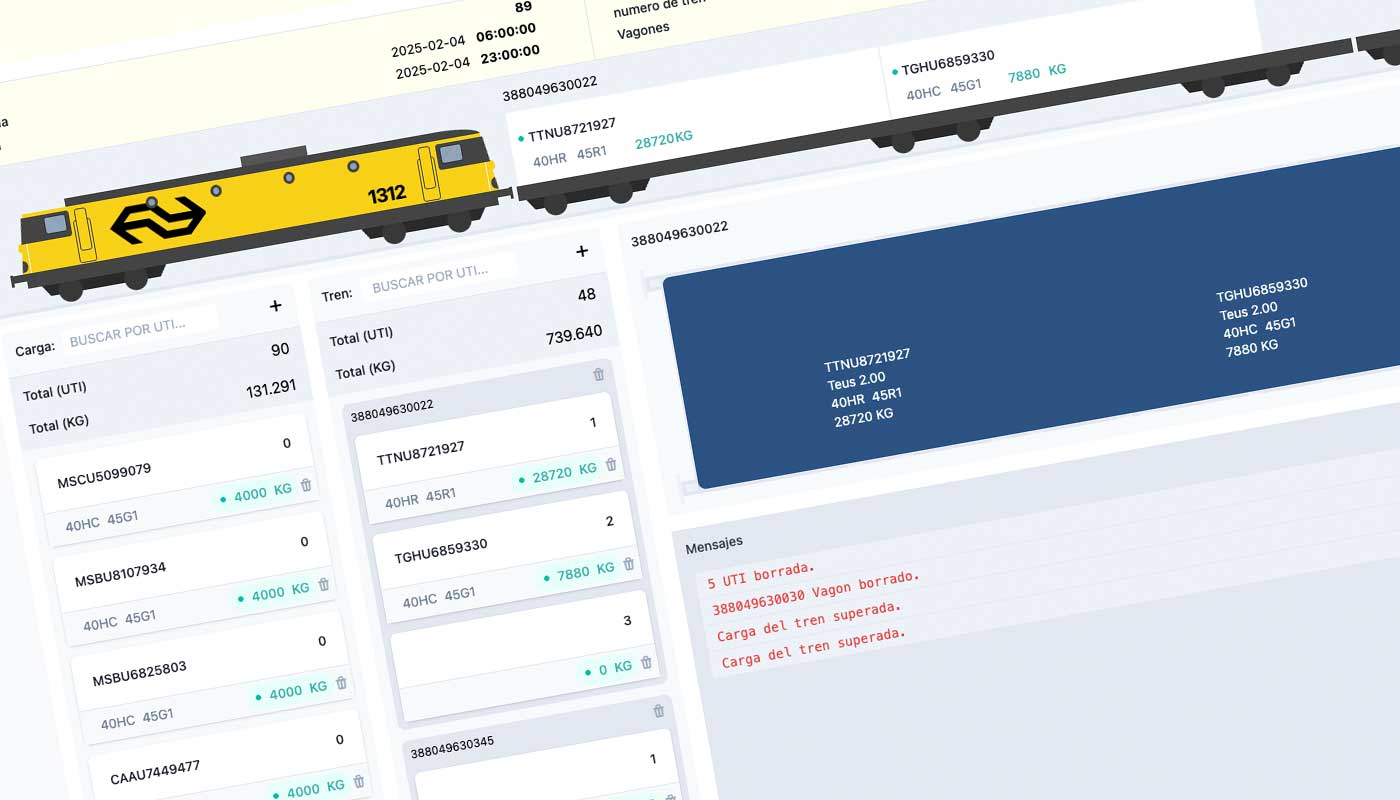
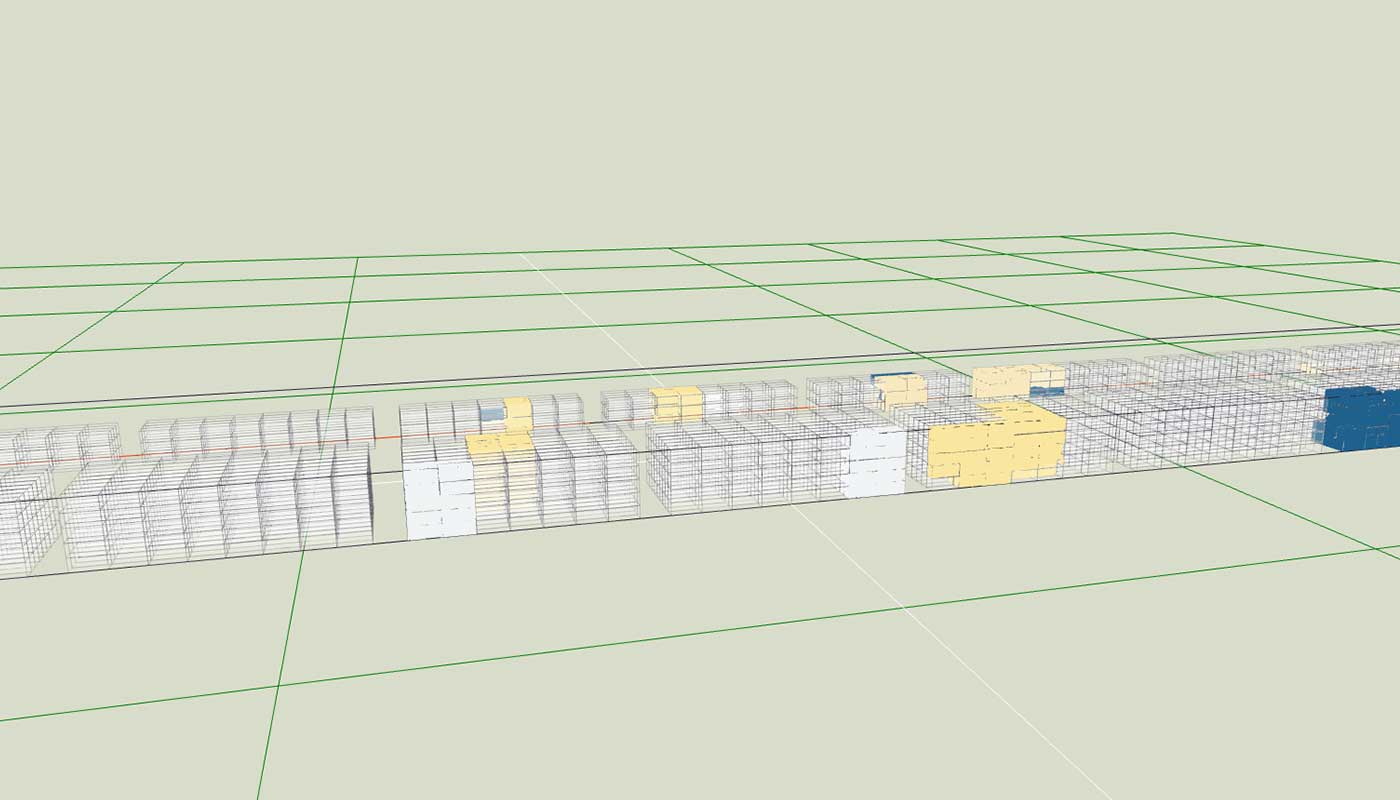
Each area runs its own rules, validations are duplicated, and information arrives only after the moment to act has already passed.
A shared sequence with prerequisites per role, confirmation per milestone, and operational evidence that travels with the cargo from the gate to the dispatch.
End-to-end orchestration: from gate to dispatch in one sequence
What separates serious terminal operations software from a stack of disconnected tools is the sequence. Essentos links the whole chain in one logic every team can follow without phone calls or parallel spreadsheets:
-
Gate access control and entry registration with operational rules active in real time
-
Yard coordination with slot, constraints, and outbound preparation
-
Service execution with milestones, confirmations, and prerequisites in plain view
-
Dispatch by truck or by train with preparation verified before release
-
Documentation and evidence generated at the moment of the event, not reconstructed afterwards
The team keeps continuity even when priorities shift or exceptions show up mid-shift.
Visible prerequisites and rules per role: fewer retries, more control
The most expensive errors in a terminal are not technical. They are steps run out of order, without enough context, or without verifying that the previous step actually closed.
Essentos surfaces prerequisites before any move and applies rules per role so each team always knows:
-
What it can execute now and what it has to wait on
-
What condition is still missing to close the next milestone
-
Which responsibilities belong to its role and which belong elsewhere
That cuts down retries, removes late decisions, and stabilizes the operation when volume climbs or the shift changes.
Operational evidence per event: control that does not rely on memory
Operational control is not a month-end report. It is knowing what happened, who confirmed it, in what order, and with what outcome, the moment it happened.
When every milestone is confirmed with operational context, the terminal gains the confidence to:
-
Resolve incidents without reconstructing the shift after the fact
-
Answer customers and partners with verifiable facts, not narratives
-
Close services and feed billing with coherent, complete data
That evidence base is also a commercial edge: more operational consistency, fewer disputes, and a better reputation in front of customers, operators, and partners.
Containers, bulk, general cargo, and mixed operations
Essentos runs in container terminals and in multi-purpose facilities where different cargo types and services share the same site:
In a multi-purpose terminal, complexity grows with the number of services. Essentos keeps a single operational logic so every cargo type runs without multiplying manual coordination or duplicating checks.
Built for inland terminals, intermodal terminals, and rolling-highway corridors
In inland and intermodal terminals, rail coordination and rail window stability are not optional features. They are part of daily performance. Essentos is built for that context: pre-staging tied to the train window, train composition coordination, and rolling-highway operations where the preparation upstream decides whether the window is met or missed.
That is why a terminal operating system does more than record what happened. It orchestrates what has to happen for the operation to move.
Monthly operational measurement: throughput, friction, and real capacity
Effective terminal operations software does not only execute. It produces the operational data the terminal needs to improve month over month, with context:
-
Dwell and rotation broken down by root cause and by zone
-
Truck turn time per leg and per friction point
-
Yard occupancy and pressure distribution
-
Retries, non-value moves, and recurring exceptions
-
Preparation stability and on-time dispatch window performance
When every metric carries operational context, the terminal pinpoints bottlenecks, measures real gains, and decides with evidence.
Frequently asked questions
What is the difference between Essentos and a traditional terminal operating system? ▾
Essentos is a modular operational layer adopted module by module, with no forced full migration. A traditional TOS typically demands a full rollout from day one. Essentos lets terminals activate gate, yard, operations, or rail independently, with rules per role and evidence per event from the first module.
Can Essentos be used for just one part of the terminal? ▾
Yes. Essentos is designed for modular adoption. A terminal can start with gate and yard, then add operations, rail, or billing later, with no obligatory sequence.
What types of terminal can Essentos run? ▾
Intermodal terminals, inland terminals, rail terminals, container depots, bulk terminals, general cargo terminals, and multi-purpose terminals across Spain, Europe, and the United States. The operational logic adapts to cargo type and volume.
How does Essentos integrate with the systems the terminal already runs? ▾
Through the Connect module, which handles EDI messaging, PCS connections, customs, and external systems. Essentos sends and receives structured messages without replacing anything that already works.