
OPERATIONS
Planning and execution software for logistics terminals
When a shift runs on radio calls to figure out what to do, the team burns time before it even starts. Essentos Operations removes that layer: the operations module for intermodal terminals, container terminals and inland terminals delivers each work order with its conditions, tasks and owners already defined, on the Essentos C-CORE architecture (Cargo-Centric Orchestration, Rules and Evidence).
The supervisor does not chase information. The operator does not wait for instructions. At end of shift, every service has its own per-milestone evidence, not a reconstruction in a shared spreadsheet.
Operations is not a tracking dashboard. It is where terminals in Spain, Europe and the United States execute, confirm and close each day with criteria.
Typical impact
A task only starts when its prior conditions are met
Evidence tied to every closed work order
Priorities and pending items live in one place, no extra calls needed
From coordinating by radio to executing by milestones

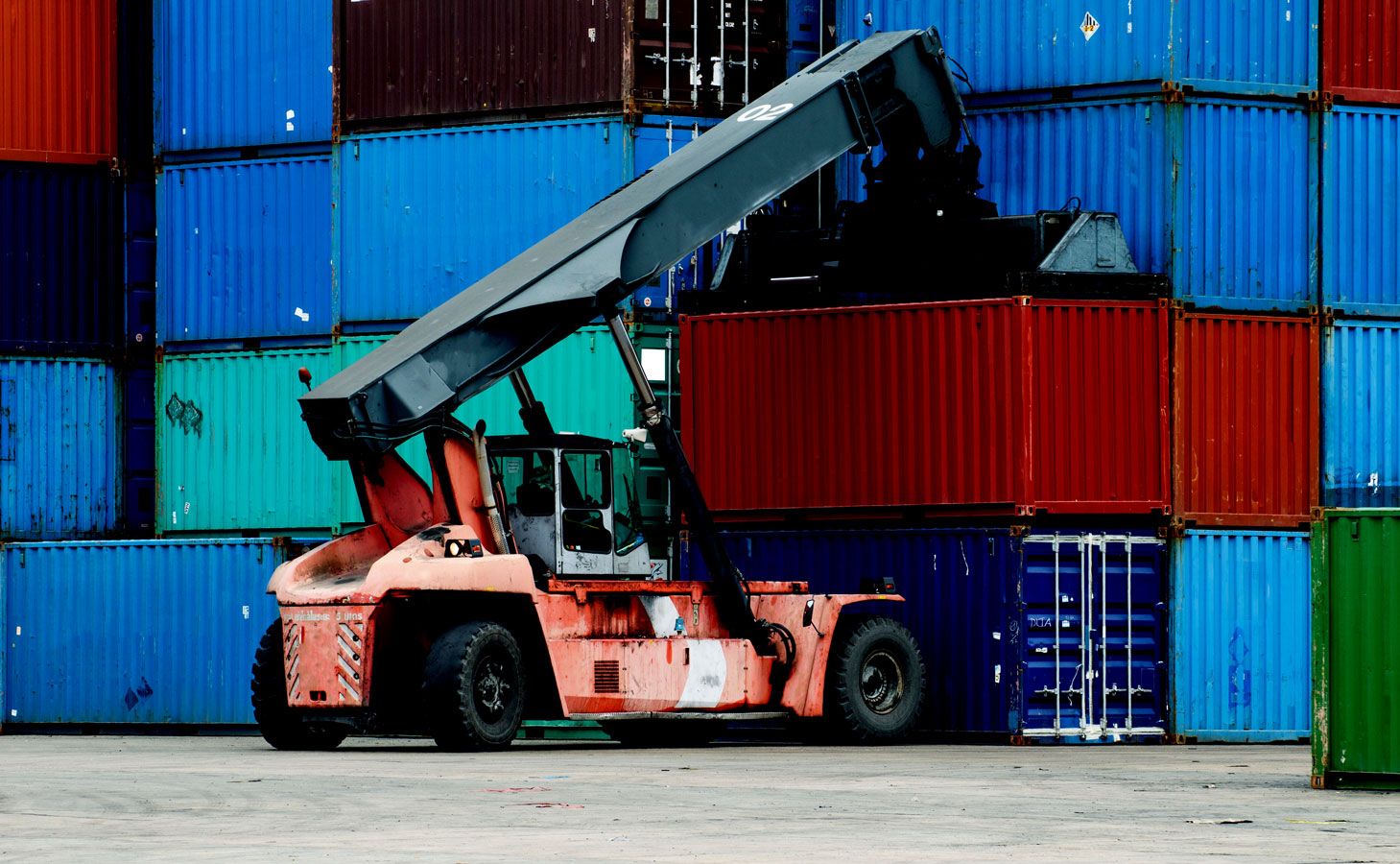

The shift supervisor hands out tasks by radio. Three people ask the same question. A container is moved twice because nobody noticed a missing condition. At end of shift, half an hour spent reconstructing what happened.
Every order is born with verified prerequisites. Tasks reach the right role with context. Milestones are confirmed by event and the shift closes with a record, not from memory.
What Operations orchestrates day to day
A shift has dozens of services running in parallel. Operations turns them into structured flows:
-
Each service creates a work order with cargo type, window, customer and operating conditions from the start
-
Tasks unfold in sequence or in parallel and each one knows what it depends on to move forward
-
Operator, crane driver, weighbridge operator or supervisor: each role only gets what concerns them, with the context they need
-
Every completed step is sealed with time, owner and conditions. No reconstruction at the end of the shift
When the shift changes, the next team opens Operations and sees exactly where each service stopped.
Visible prerequisites: executing with criteria avoids retries
A container is unloaded before weighing is done. A unit with a pending inspection gets repositioned. A service is closed without complete documentation. All those retries come from the same place: executing without checking.
-
If weighing is missing, the loading step is not enabled
-
If a customs hold is active, the exit stays blocked
-
If the previous task did not confirm, the next one does not start
-
If the customer document is not validated, closing does not proceed
The team stops asking whether they can move on. Operations tells them.
Event-level evidence: traceability that gets used, not filed away
A customer claims their container left late. The shift manager says it was loaded on time. Without evidence, it is one word against another and the terminal loses.
Operations records every milestone with time, owner and context. Not as a technical log but as operational backing that holds up in a claim, an audit or the Monday meeting with the customer.
Controlled exceptions: the terminal does not stop, it adapts
Mid-shift the vessel moves its window forward, a truck arrives without an appointment and a crane goes out of service. In most terminals, every surprise sets off a chain of calls that holds up everything else.
In Operations, the exception enters the flow instead of breaking it:
-
The block is flagged with cause and scope visible to everyone involved
-
Affected tasks are reordered without redoing the full plan
-
The resolution is recorded with the same traceability as the normal flow
-
The rest of the shift keeps moving while the incident is resolved
More volume and more surprises do not have to mean more chaos.
An operational layer that aligns the teams
Without a shared base, each area works with its own version of what is happening. The result is crossed questions, data that does not match and decisions that arrive late.
-
The yard operator sees pending tasks and confirms without leaving their flow
-
The supervisor reorders priorities based on real data, not on what they are told
-
Admin validates services with confirmed milestones and closes without chasing paper
-
Customer service responds with the real status of the service, not with what they assume
A single operational source of truth. Less noise, fewer reactive meetings, more time executing.
Built for containers, bulk and general cargo
A container port terminal, an inland intermodal facility handling bulk and a depot mixing vehicles with general cargo share the same problem: coordinating services with different cargo types, flows and constraints inside the same shift.
Operations supports that variety with a common logic:
Each cargo type has its own pace. The Operations logic adapts to the flow without forcing the team to switch tools.
It feeds on the physical reality of the terminal
Operations does not work alone. Entry and exit data, yard position and external statuses feed every work order in real time:
-
Gate confirms arrival and weighing before the first task is assigned
-
Yard provides real location so the order does not send the operator to an empty slot
-
Connect brings in statuses from carriers, agents and authorities without duplicating manual entry
-
Analytics measures real times by service, shift and cargo type to spot where the pace is lost
Frequently asked questions
What does the Operations module manage as terminal operations software? ▾
Essentos Operations manages work orders per shift, role-based task assignment, visible prerequisites and milestone confirmation. As the operations module for intermodal terminals, container terminals and inland terminals, it ensures every shift starts with confirmed information and every step generates evidence.
Can Operations be used to manage cranes and equipment? ▾
Yes. Operations assigns tasks to cranes, reach stackers and other resources, with per-shift tracking and productivity visibility.