
TERMINAL SPEAKER
Directed operational communication and automated alerts
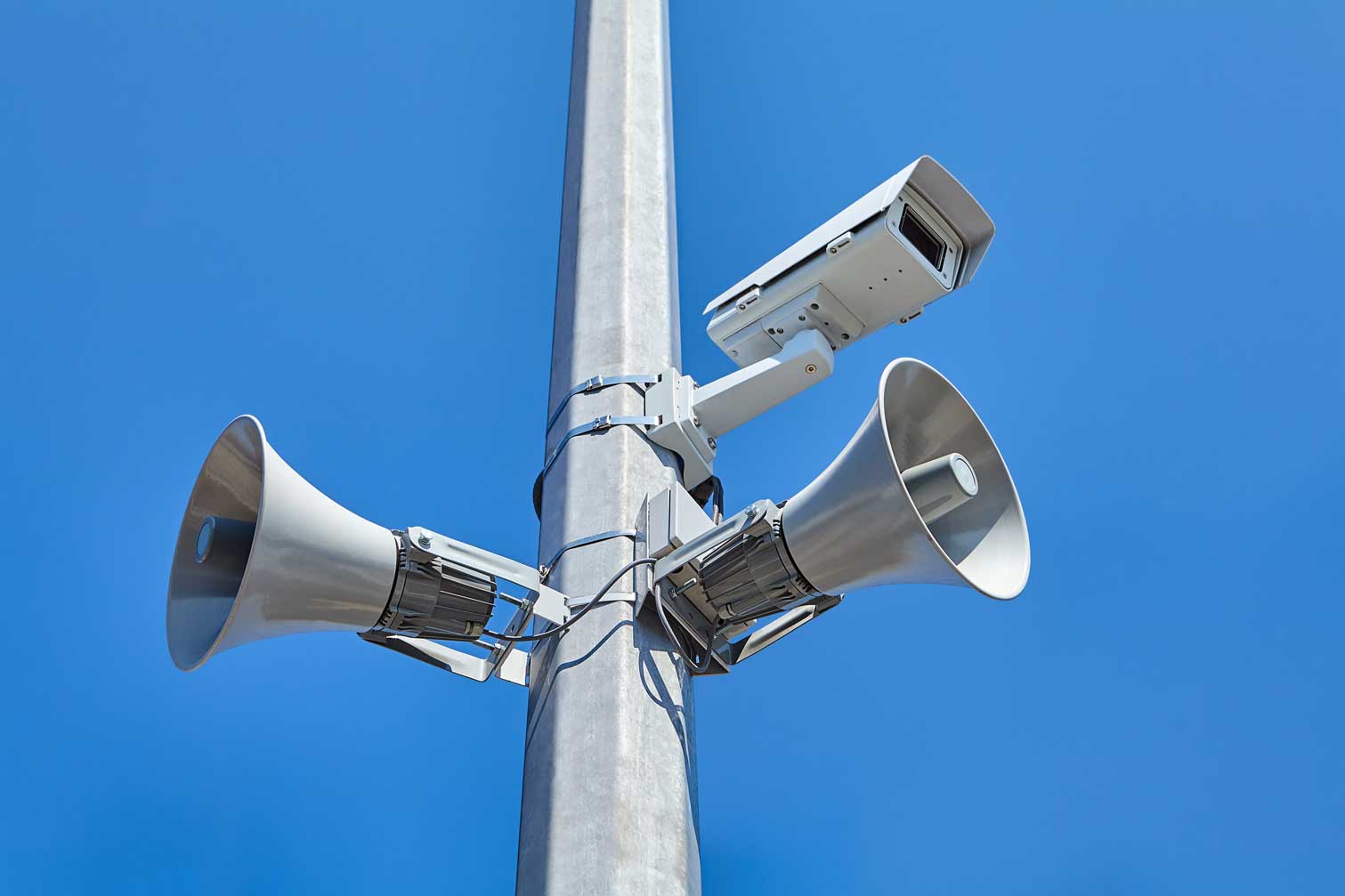
Terminal Speaker is the Essentos operational alert system that generates automated instructions and directed communication at logistics terminals.
At terminals with high vehicle rotation, manual communication collapses: radio calls that no one confirms, drivers waiting for instructions that never arrive, supervisors repeating directions each shift, and a constant disconnect between gate and yard. Terminal Speaker generates automated operational alerts from the real state of the terminal and delivers them to the correct role, at the exact moment, through the right channel.
Voice guidance, directed messages on screen or mobile device, and every instruction carries recipient, context and timestamp. Operational communication stops depending on who remembers to call in time.
Operational impact of automated alerts at logistics terminals
Automated instructions directed to each role eliminate repeated radio and phone calls.
Event-triggered alerts remove the dependency on supervisor availability.
Structured, traceable alerts replace ambiguous verbal directions.
Data observed in terminals with automated operational alerts integrated at gate, yard and operations.
Automated instructions from the real state of the terminal
All communication depends on radio and phone. The supervisor is the bottleneck: repeating instructions, answering the same questions and handling missed calls. Drivers wait without knowing where to go and directions get lost between shifts.
Alerts trigger automatically when the operational state changes: gate entry, priority change, end of unloading. Each instruction reaches the role that needs it, with no calls, with timestamp and delivery verification.
Three points where automated alerts eliminate the wait
Terminal Speaker responds where manual communication creates bottlenecks in the terminal flow:
-
At the gate: When the truck identifies at entry, Terminal Speaker sends an automated instruction to the weighbridge, loading zone or holding area, without a call to the supervisor and without delay.
-
During operations: Priority changes, berth reassignments and crane reassignments reach the driver and the operator in parallel, not through a chain of radio calls.
-
At departure: Final weighing instruction, pending documentation alert, route guidance: the driver receives what they need before having to ask.
Every alert originates from a verified operational event inside Essentos, automated, directed and with a complete record.
Each role receives only the instructions it needs
Drivers receive movement instructions: weighbridge, zone, holding point. Supervisors receive exception alerts: unloading delay, assignment conflict, equipment stoppage. Operators receive resource updates: crane assigned, shift change, priority update.
No noise, no lost instructions. Every message has recipient, operational context and timestamp.
Containers, bulk, general cargo: alerts adapt to the operation type
In a container terminal, the alert references plate and container. In a bulk terminal, product, queue and weighing turn. In mixed operations, each cargo type activates its own alert logic.
Terminal Speaker adapts the instruction logic to the cargo type with no additional manual configuration. The type of operation defines what is said, to whom and when.
Frequently asked questions
What is a terminal voice announcement system for gate operations? ▾
A terminal voice announcement system delivers automated voice/TTS instructions to drivers, supervisors and operators based on the live state of the terminal. Essentos Terminal Speaker turns each event (truck arrives at the gate, berth changes, priority is reassigned) into a directed announcement to the role that has to act, through the channel configured for that role.
Can the alerts be customized? ▾
Yes. Alert rules are configured by event type, role and zone. The terminal defines which situations trigger automated instructions and which require manual intervention.
Does Terminal Speaker work only with voice? ▾
No. Terminal Speaker supports voice, screen alerts, mobile device messages and integrated panels. The delivery channel adapts to the role and operational moment.
What types of terminals can use Terminal Speaker? ▾
Container terminals, bulk terminals, general cargo terminals, intermodal terminals and mixed operations. The alert logic adapts to each cargo type.
How does Terminal Speaker connect with other Essentos modules? ▾
It receives events from Gate, Operations, Yard and other modules. When an operational state changes, Terminal Speaker generates and delivers the corresponding instruction automatically.