
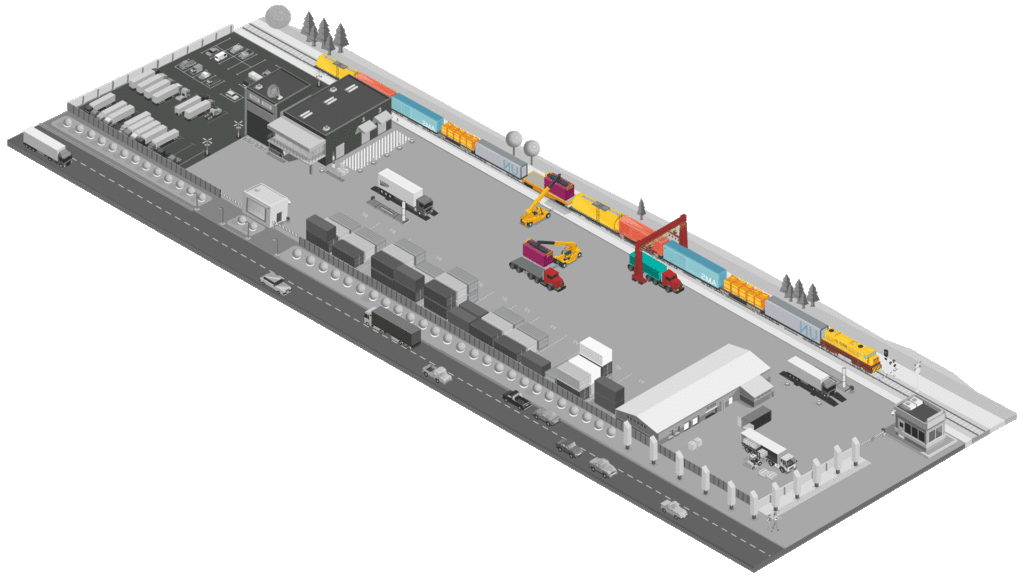
Operational terminal billing starts with evidence of the services performed. When movements, storage and handling are separated from commercial data, determining whether all chargeable services have been recorded correctly becomes difficult.
Separate events from billable items
A physical move does not necessarily create an individual invoice. It may be part of a contracted service or subject to specific conditions. Define which events support each charge and which rules determine its applicability.
Handle exceptions
A cancelled operation, an internal relocation or an additional inspection requires distinguishing what occurred from the commercial condition that applies. Avoid automatically applying the same rule to movements with different purposes. Retain the reference that supports the decision.
Reconcile before closing
Compare recorded services, pending charges and exceptions by customer and period. A reviewer should be able to investigate differences without manually reconstructing the entire history. Shared operational and commercial references make reconciliation more consistent and repeatable.
Evaluating terminal billing software
Ask the vendor to connect a sample invoice to the underlying moves, including grouped services and exceptions. Check who can review billing rules and what evidence remains available before the billing period closes.
Applying this in the terminal
The key is a shared view of cargo and the events that determine its status. Explore Essentos Billings, Essentos Operations, Essentos Documents to evaluate how to connect information and operations at your facility.